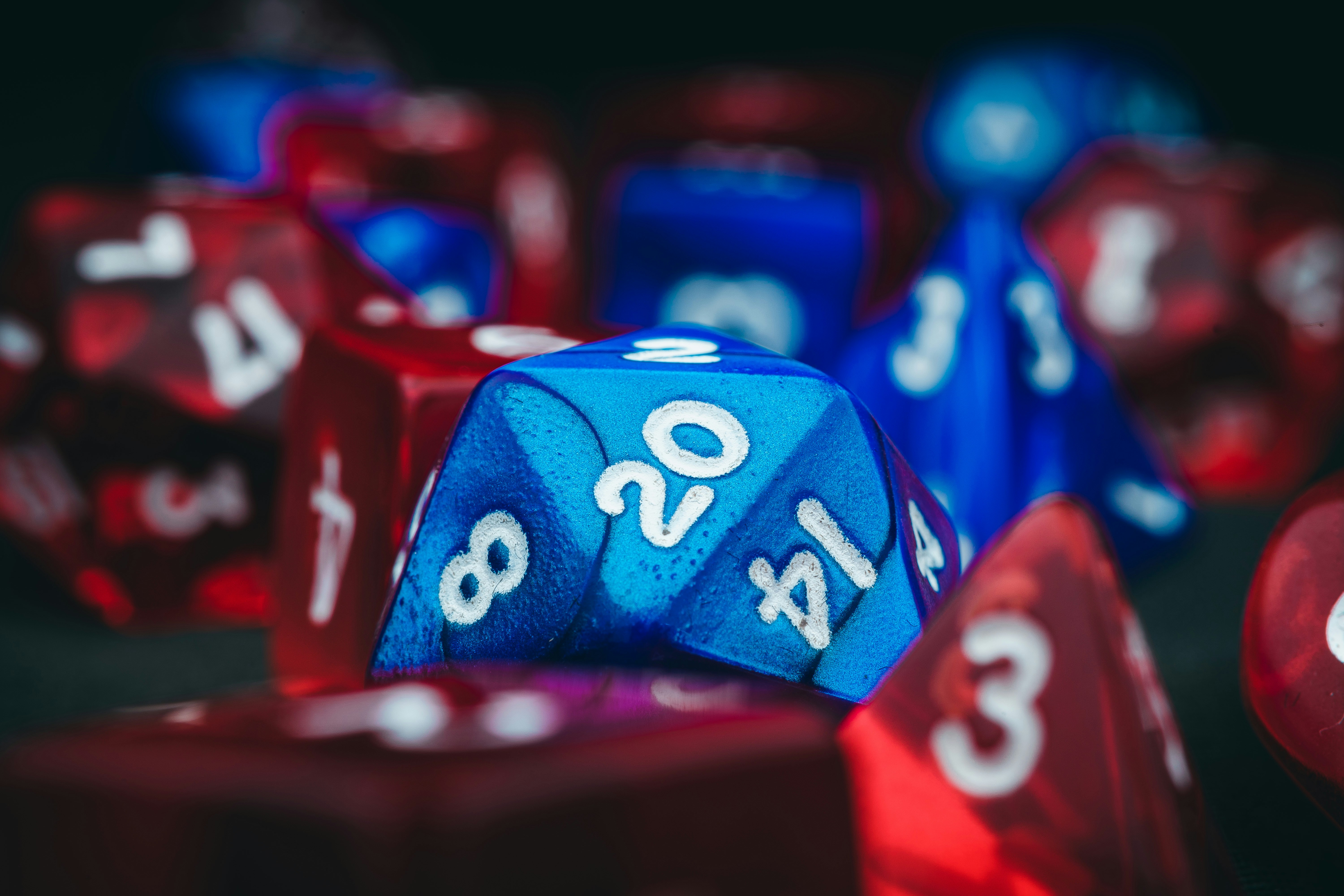
Overhead view of a tabletop RPG session: hand-drawn map pinned under glass, polyhedral dice mid-scatter, pencil shavings near a character sheet, warm candlelight
Vol. IV — Spring 2026
Editorial

We study the craft
behind the
campaign.

A journal for the designers, GMs, and systems thinkers who want to understand why the dice feel the way they do.

Read the Latest Issue
What We Believe
01A mechanic is an argument about how the world works.
02Randomness is not chaos — it is structured surprise.
03The best rules disappear at the table.
04Tension is a design tool, not an accident.
05Every system teaches players what to care about.
06Narrative emerges from constraint.
Mechanics

Mechanics

Every rule is a hypothesis about human behaviour under pressure. We examine the dice pools, resource economies, and countdown clocks that make players feel something — and ask why they work.

Browse Mechanics
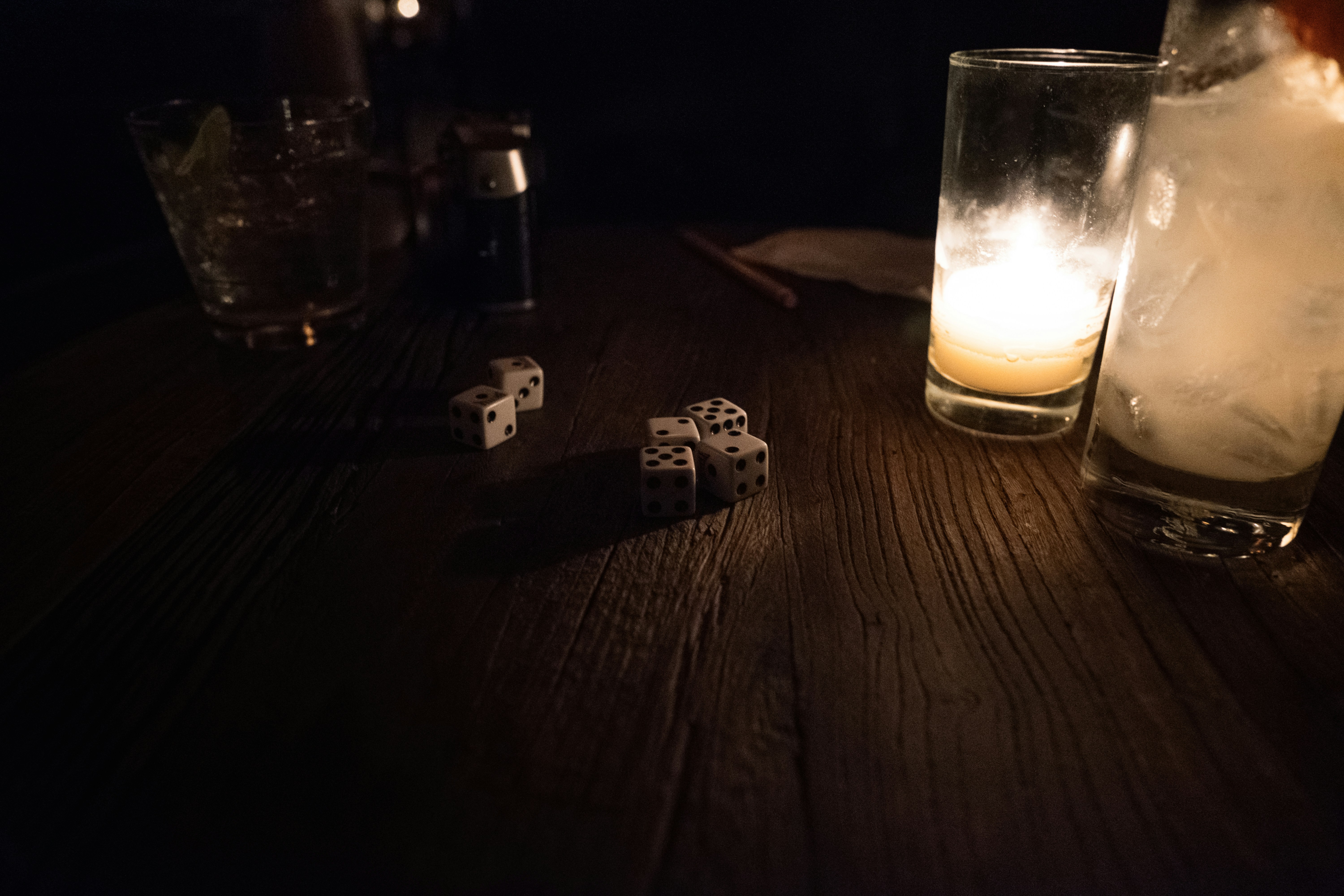
Close-up of polyhedral dice on a dark wooden surface, warm amber light catching the edges
Essay
Issue 0414 min read

The Dice Pool as Dramatic Architecture

When you hand a player twelve dice and tell them to keep the highest two, you are not resolving an action — you are building a cathedral of anxiety. A deep read into variance, expectation, and the emotional grammar of rolling.

MS
Maren Solberg
Narrative

Narrative

Story is not something that happens despite the rules — it is something rules produce. We study the gap between authored fiction and emergent play, and what lives in between.

Browse Narrative
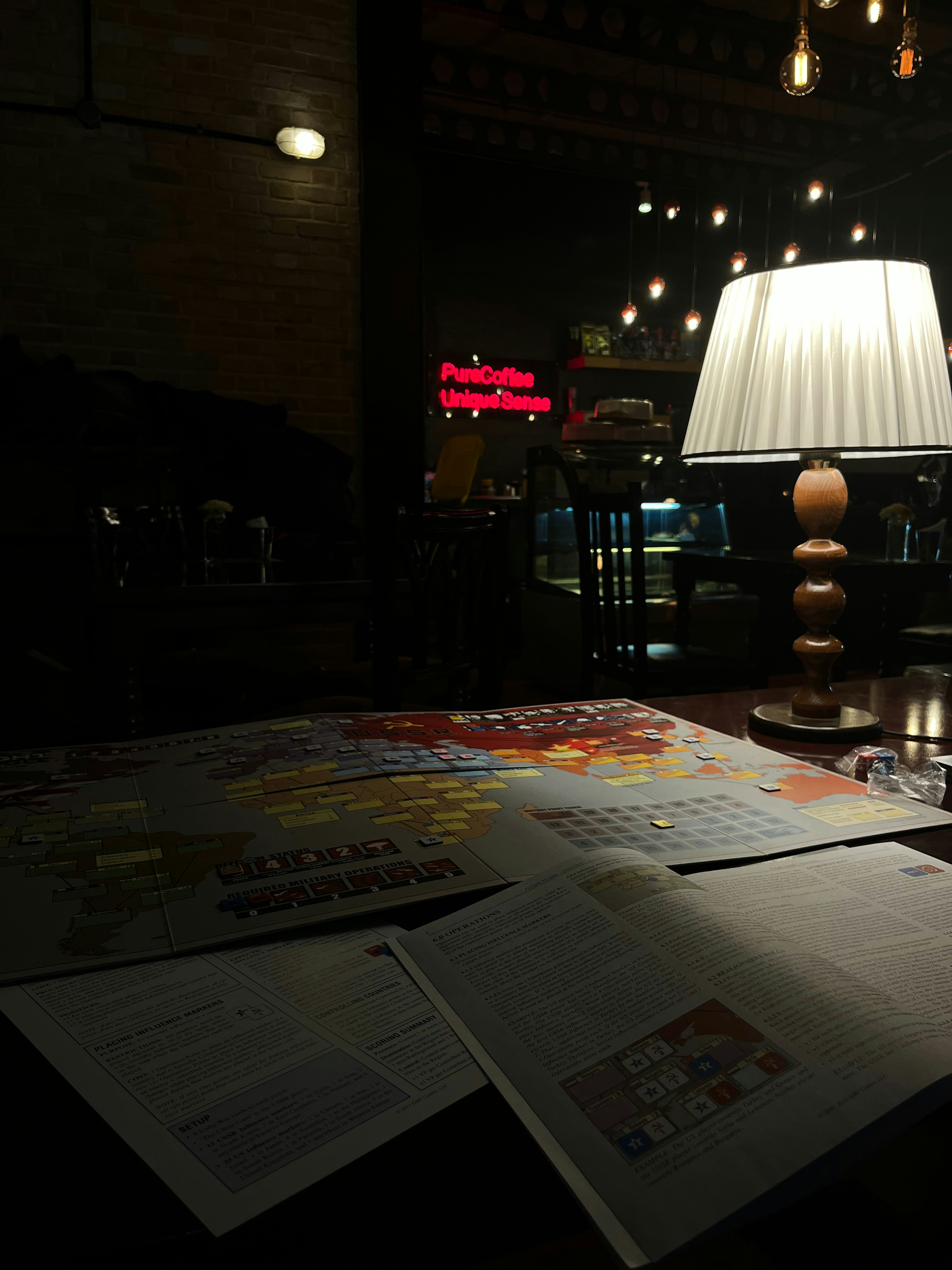
Open hardcover rulebook with hand-written annotations and a bookmark, soft candlelight from the left
Analysis
Issue 0411 min read

The Random Table as Accidental Poet

A d100 table of dungeon dressings is a sleeping oracle. When the right result lands at the right moment, something happens that no writer could have planned. We trace the conditions that let randomness become meaning.

TV
Théodore Vance
Play Culture

Play Culture

The table is a social contract before it is a game. We look at the unwritten rules — safety tools, session zero, the art of the GM screen — and what they reveal about what we want from play.

Browse Play Culture
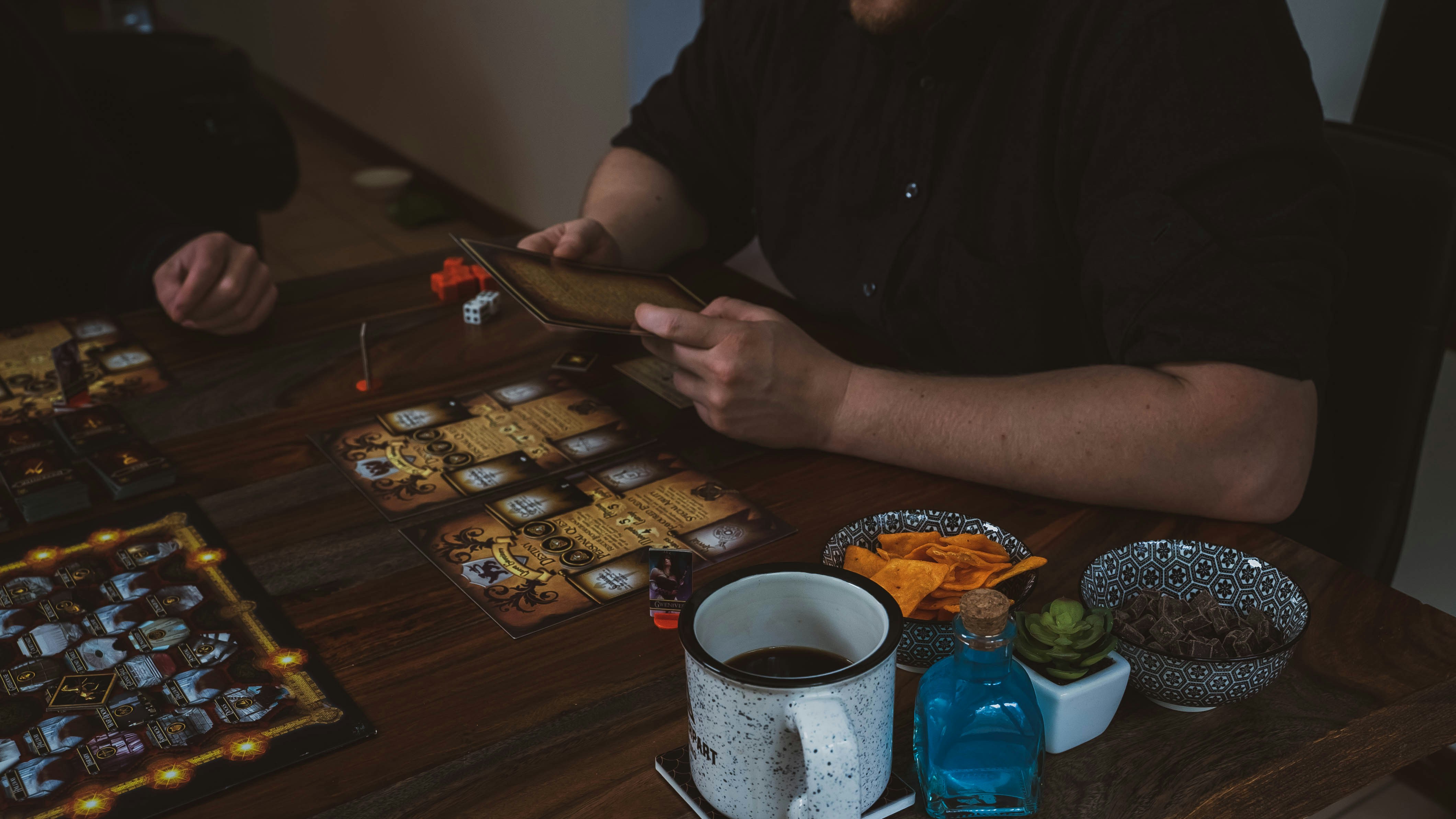
Overhead view of a game night table with character sheets, pencils, snacks, and hands reaching across
Field Notes
Issue 049 min read

Playtesting at 2 a.m. in a Google Doc

The indie design pipeline runs on late nights, version-controlled PDFs, and friends willing to break your game for free. A candid account of what playtesting actually looks like when you have no budget and everything to prove.

KA
Kwame Asante
Join the Design Table

One essay.
Every Thursday.

One essay on game design craft, every Thursday. No digest, no roundup — just a single piece of thinking worth your time.

No spam. Unsubscribe anytime.